 中文
中文
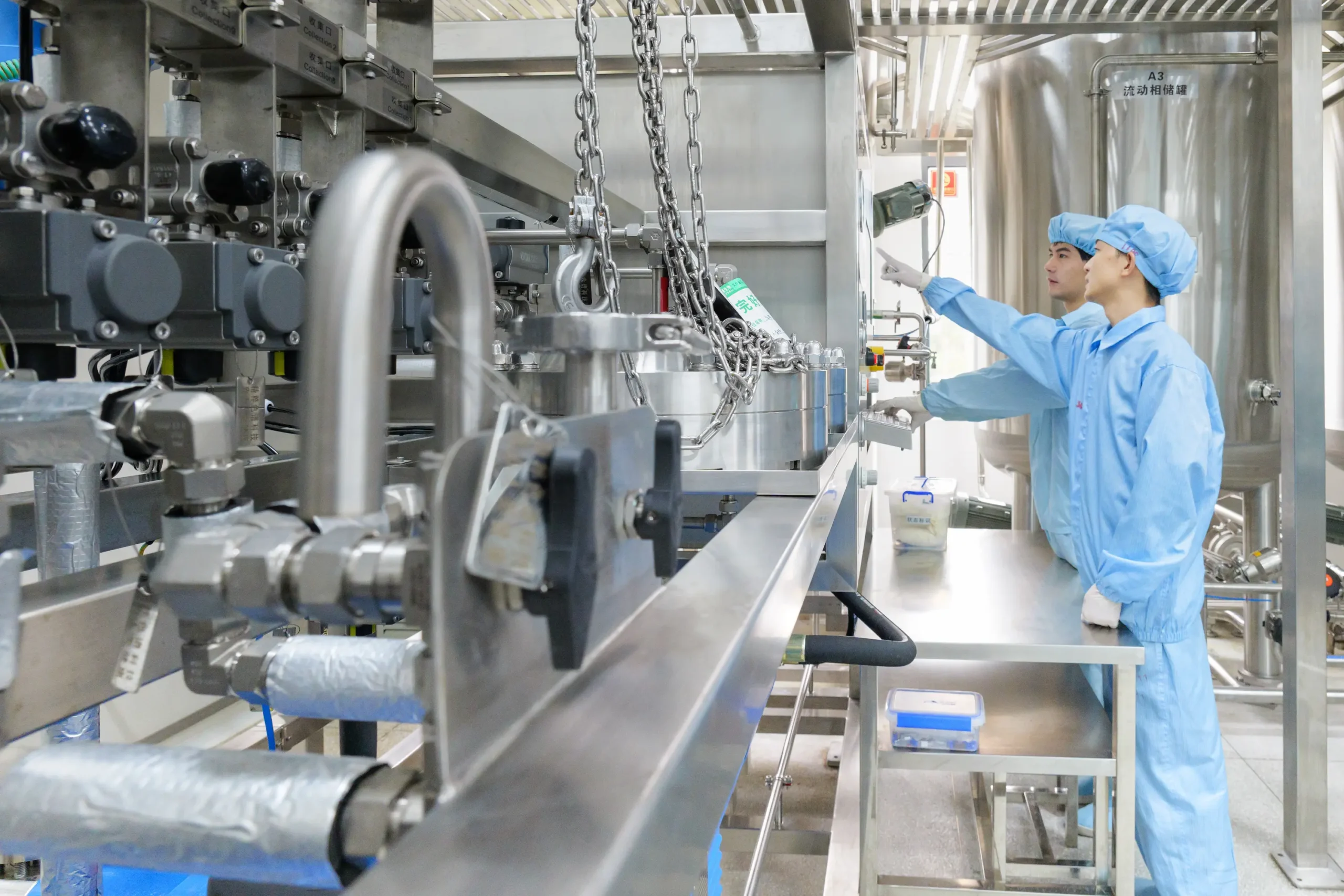

Why Sustainable Peptide Manufacturing Is Becoming Essential in Pharma
Sustainable peptide manufacturing is rapidly becoming a priority in the pharmaceutical industry. The rapid global expansion of peptide therapeutics in metabolic and chronic disease treatment is accelerating the need for more efficient and environmentally responsible production models.
As peptide therapeutics expand into metabolic diseases, oncology, neurology, and cosmetic applications, manufacturers must balance innovation with environmental responsibility.
As a peptide-focused CRDMO with more than 16 years of specialization, JYMed Technology Co., Ltd. integrates sustainability and green chemistry principles directly into its manufacturing platforms and facility design.
Traditional peptide production relies on solvent-intensive reactions, energy-heavy purification, and complex chemical processes. Today, green chemistry in pharma is redefining how peptide CDMOs design, scale, and optimize manufacturing systems. Sustainability is no longer optional — it is a competitive and regulatory requirement.
The Role of Green Chemistry in Sustainable Peptide Manufacturing
Green chemistry in pharmaceutical manufacturing refers to designing chemical processes that reduce environmental impact while improving efficiency and safety, following internationally recognized green chemistry principles. At JYMed, green synthesis strategies such as Minimum Protecting Group methodologies and continuous purification systems are applied to balance efficiency, scalability, and environmental responsibility. This includes:
- Lower solvent consumption
- Reduced hazardous reagents
- Waste minimization strategies
- Energy-efficient purification systems
- Scalable and repeatable synthesis workflows
Eco-friendly peptide production not only benefits the environment but also improves yield consistency, reduces operational costs, and enhances regulatory compliance.
Environmental Challenges in Traditional Peptide Manufacturing
Understanding the environmental footprint of peptide manufacturing is essential for improvement. Key challenges include:
High Solvent Usage
Multiple washing and purification cycles increase chemical consumption and disposal requirements.
Protecting Group Waste
Excess orthogonal protecting groups generate reagent waste and side reactions.
Energy-Intensive Purification
Freeze drying and chromatographic processes consume significant energy if not optimized.
Inefficient Scale-Up
Poorly optimized lab methods multiply waste and cost when transferred to commercial scale.
Addressing these issues is fundamental to achieving sustainable peptide CDMO operations.
Green Technologies Driving Sustainable Peptide Manufacturing in Pharma
Minimum Protecting Group Strategy (MP-SPPS) in Green Peptide Synthesis
Reducing unnecessary protecting groups is one of the most effective green peptide synthesis techniques. Benefits include:
- Shorter reaction cycles
- Lower reagent consumption
- Reduced chemical waste
- Improved process predictability
This strategy directly supports eco-friendly peptide production while maintaining high purity standards. This approach also contributes to reducing Process Mass Intensity (PMI) in peptide synthesis, a key sustainability metric in pharmaceutical manufacturing.
Continuous Chromatography for Eco-Friendly Peptide Manufacturing
Continuous purification systems are replacing traditional batch chromatography to support sustainable pharmaceutical manufacturing. Advantages include:
- Reduced solvent usage
- Higher throughput efficiency
- Better industrial scalability
- Lower environmental footprint
Spray drying and optimized lyophilization methods also contribute to energy-efficient peptide processing.
Analytical Optimization in Sustainable Peptide Manufacturing
Advanced analytical platforms significantly impact sustainable peptide manufacturing. Intelligent analytical systems help:
- Prevent failed batches
- Reduce repeat synthesis runs
- Optimize purification cycles
- Increase overall yield
Higher yield equals lower waste, making analytical precision a core element of green chemistry pharma initiatives.
Facility Design and Energy-Efficient Infrastructure
Sustainable peptide manufacturing extends beyond chemistry into facility engineering. Modern peptide CDMOs invest in:
- Automated reactor systems
- Optimized plant layouts
- Scalable pilot-to-commercial equipment
- Energy-efficient freeze-drying and purification units
Smart infrastructure reduces idle energy consumption and supports long-term ESG and sustainable API manufacturing goals. JYMed’s integrated R&D, API, and finished dosage facilities are designed to support scalable peptide production while maintaining strict energy efficiency and regulatory compliance standards.
ESG and Sustainability Ratings in Peptide CDMO Selection
Environmental, Social, and Governance (ESG) metrics increasingly influence procurement decisions in the pharmaceutical sector. Sustainable peptide CDMO partners are evaluated based on:
- Environmental responsibility
- Ethical governance
- Labor and human rights standards
- Sustainable procurement policies
High ESG performance signals operational maturity, risk management strength, and long-term reliability.
Business Benefits of Sustainable Peptide Manufacturing
Eco-friendly peptide production delivers measurable commercial advantages:
- Lower long-term manufacturing costs
- Improved regulatory confidence
- Stronger brand alignment with biotech partners
- Enhanced global supply chain resilience
- Competitive differentiation in EU and US procurement markets
Sustainability is not just environmental — it is strategic and financial.
Future Trends in Green Peptide Synthesis
The next generation of sustainable peptide manufacturing will focus on:
- AI-driven reaction optimization
- Greener solvent alternatives
- Continuous manufacturing systems
- Nanoparticle and advanced delivery platforms
- Circular chemical recovery systems
These innovations aim to make peptide therapeutics both clinically effective and environmentally responsible.
Conclusion: The Future of Eco-Friendly Peptide Production
Sustainable peptide manufacturing represents the convergence of scientific innovation, operational efficiency, and environmental accountability — a philosophy that JYMed Technology Co., Ltd. applies across its global peptide CRDMO operations. Green chemistry in pharma is transforming how peptide CDMOs design synthesis platforms, purification technologies, and facility infrastructure.
As ESG expectations rise and regulatory standards evolve, sustainable peptide manufacturing will become the benchmark for pharmaceutical excellence. Companies that integrate sustainability into their manufacturing strategies today are positioning themselves as leaders in the future of peptide therapeutics.
JYMed Technology Co., Ltd.
A Leading Global Peptide Solutions Provider.


0 Comments